
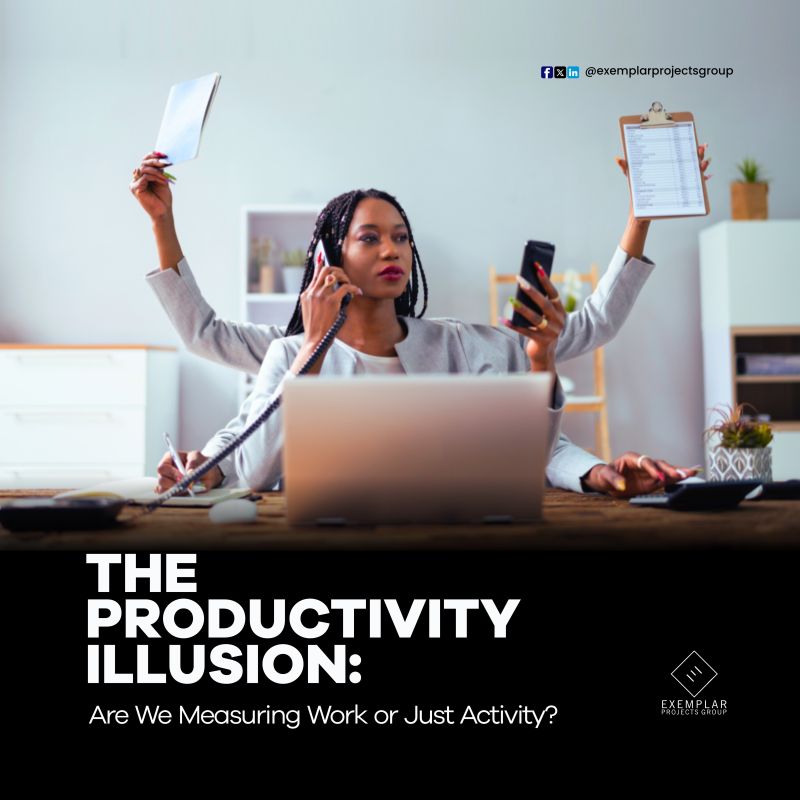
The Productivity Illusion: Why Being Busy Isn't the Same as Being Effective
22 May 2026
Workplaces today are filled with productivity tools, scheduling systems, communication platforms, performance trackers, and endless notifications — yet many employees and business leaders still feel overwhelmed by unfinished tasks and mental exhaustion. In an era where efficiency has become a corporate obsession, being constantly busy is increasingly mistaken for being genuinely productive.
Research from McKinsey & Company has shown that knowledge workers spend nearly 60% of their time on communication and coordination rather than on the actual tasks they were hired to perform. Meetings, emails, chats, and updates dominate the working day, leaving little uninterrupted time for deep, meaningful output. The result is a system where activity is visible, but value is often harder to measure.
In many organizations, productivity has become something that is performed rather than achieved. Employees respond quickly to messages to appear responsive, join multiple meetings to demonstrate involvement, and maintain constant online presence to signal engagement. Yet beneath this visibility, real progress often slows down. The workplace begins to reward speed of response over quality of thinking, creating what can be described as a productivity illusion.
A practical example can be seen in remote and hybrid work environments. Many companies introduced digital collaboration tools such as Microsoft Teams and similar platforms to improve efficiency. However, instead of reducing workload, these tools often multiplied communication channels. A simple decision that once required a short conversation now becomes a thread of messages, follow-ups, and scheduled calls — extending work without necessarily improving outcomes.
This illusion is not only a systems problem but also a cultural one. In many corporate environments, employees feel pressure to appear constantly active, even when deep thinking or strategic planning requires silence and focus. Productivity becomes associated with visibility rather than impact. Yet studies from Harvard Business Review have repeatedly highlighted that uninterrupted focus time is one of the strongest predictors of high-quality work output in knowledge-based roles.
Ultimately, the productivity illusion challenges a fundamental assumption in business: that more activity equals more progress. In reality, sustainable productivity is not about doing more things, but about doing the right things with clarity and focus. The organizations that will thrive in the long term are those that begin to measure outcomes — not noise — and protect the quiet space where real thinking and real value are created.
More articles
 Business Strategy
15 Jul 2026
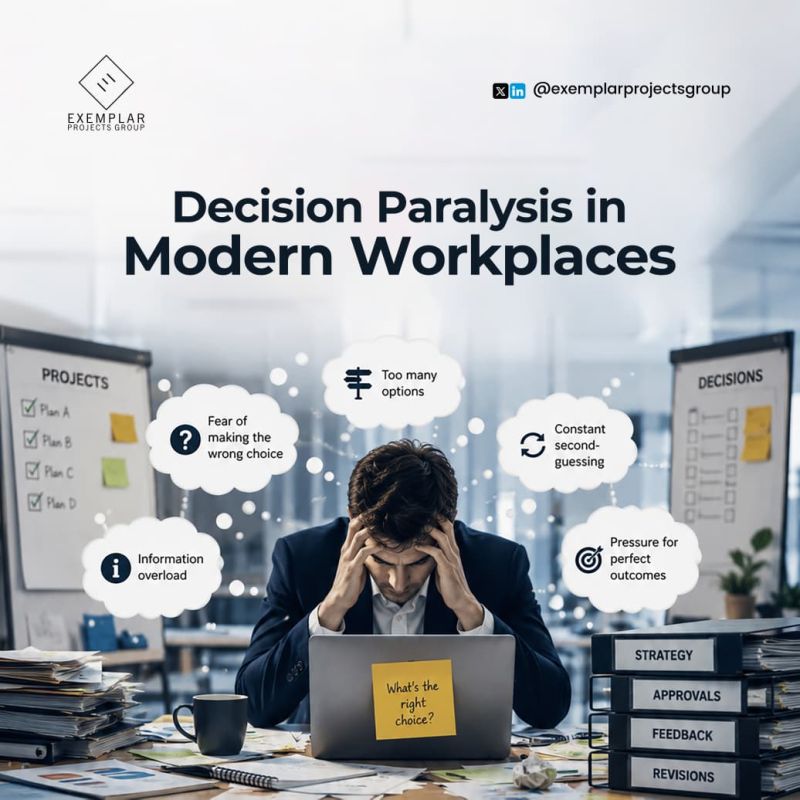
Decision Paralysis in Modern Workplaces
 Business Strategy
22 Sept 2026
Africa Has the Resources, But Who Captures the Value
 Finance
21 Sept 2026
From Consumer to Owner: What the Dangote IPO Could Mean for Nigerians
SWAVE Money
Ready to bank smarter?
Zero-data banking, instant transfers, and real rewards. Download SWAVE Money today.